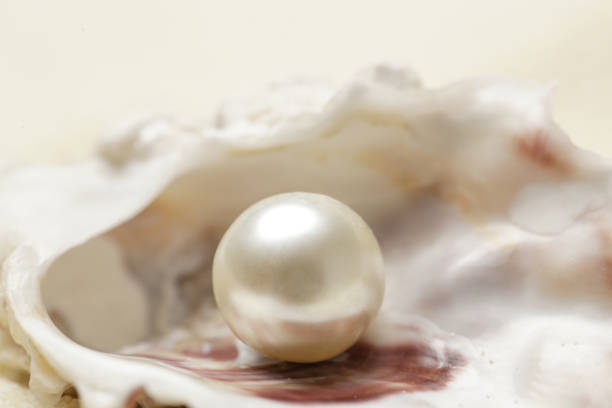
Word Oysters published its first issue online in April 2025. The second issue will be published in February 2026.
The magazine was conceived and is run, edited, and published by Suzy Gordon, a home educating mother of an only child, now a teen. Find out more about Suzy here.
The aims of the magazine are many, as are plans for its future development. At its heart, however, the magazine exists to give home educated students in Australia the opportunity to see their writing published in a public forum, and to experience the pride, confidence, and excitement this can generate. Click here for more information on the benefits to your young writer of publication in Word Oysters magazine.
You can submit writing for publication here.
Word Oysters supports young writers across the full spectrum of experience: those who write fluently and often, those who struggle to begin (or are only just beginning), those who lack confidence, and those who want to grow their craft. All genres and all modes of writing are welcomed. The magazine exists as a supportive, non-competitive forum in which young writers can share their work, find community, and come to understand that their voice matters and is worthy of being heard.
Unlike conventional school magazines or commercially driven publications, Word Oysters is not selective. Submissions are not accepted or rejected on merit or hierarchy; instead, all contributors are offered the opportunity to be published. Whatever their relationship to writing, Word Oysters exists as a supportive platform from which to share voice, find community, read and enjoy. It exists to bring into a public forum all genres and all modes of writing, and to ensure that all writing kids and teens understand that they have a voice worthy of being shared and understood.
Every piece of writing is edited to meet the magazine’s House Style, ensuring clarity, consistency, and readability while respecting the original work. [You can find details of our House Style here.]
Editing at Word Oysters follows a light-touch approach. This means that the editor does not rewrite, reshape, or impose an adult voice onto a young writer’s work. Instead, editing focuses on clarity, accuracy, and presentation: correcting grammar, punctuation, spelling, paragraphing, and basic structure, while preserving the language, rhythm, ideas, and choices of the original piece. The aim is not to change what the young writer has written, but to help their writing appear on the page as clearly and confidently as possible.
The guiding principle behind this approach is that, when young writers see their work published, they recognise it as their own, only clearer, more polished, and easier for a reader to engage with. The editor’s role is supportive rather than directive, ensuring that corrections are technical and structural rather than creative or transformative. In this way, each young writer’s voice remains intact, authentic, and recognisably theirs, while their work is presented in a professional, publication-ready form.
 Word Oysters